195+ Principles to Validate Any Design
195 principles organized by topic and difficulty. Each one includes citations, product examples, and AI prompts ready to paste into Cursor, V0, or Claude.
Good design is not based on instinct. It is based on how people actually process information: what they notice, what they ignore, and why they leave.
These 195 principles cover the patterns behind those decisions. Browse by part, filter by difficulty, or search for a specific problem. Each one links to the research and includes AI prompts you can paste straight into your tool of choice.
Showing 1–12 of 32 principles

Free
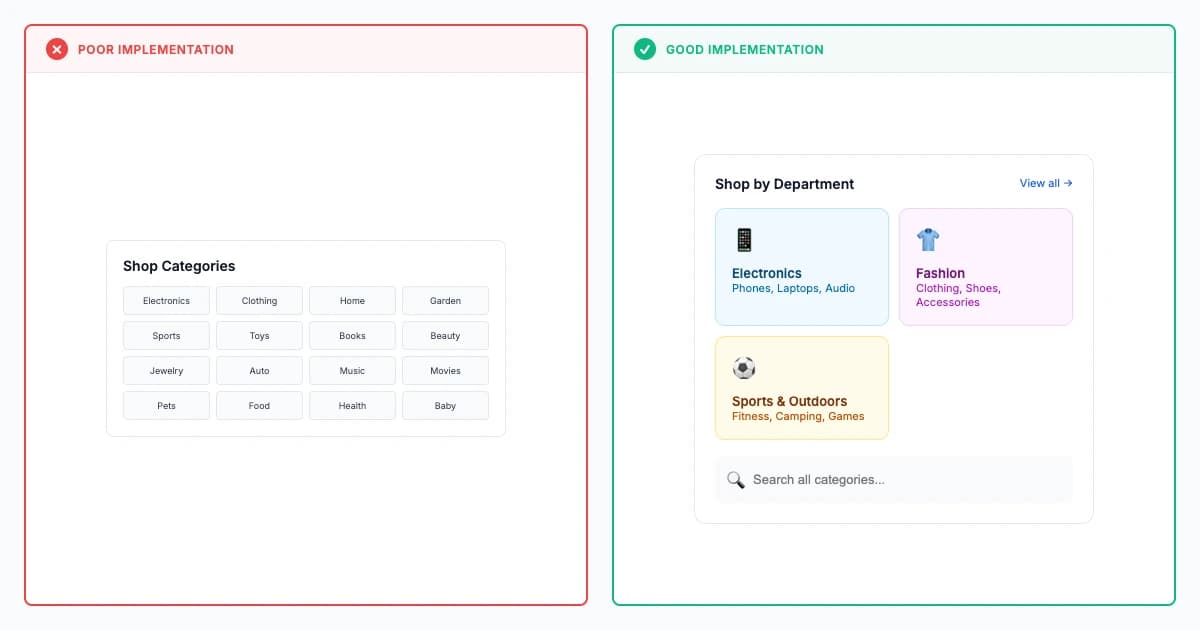
Cognitive Load
Working memory holds only 7±2 items. Cutting cognitive load lifts productivity up to 500% and reduces errors through simpler interfaces.
Fixes:Overloaded
Explore principle
Free
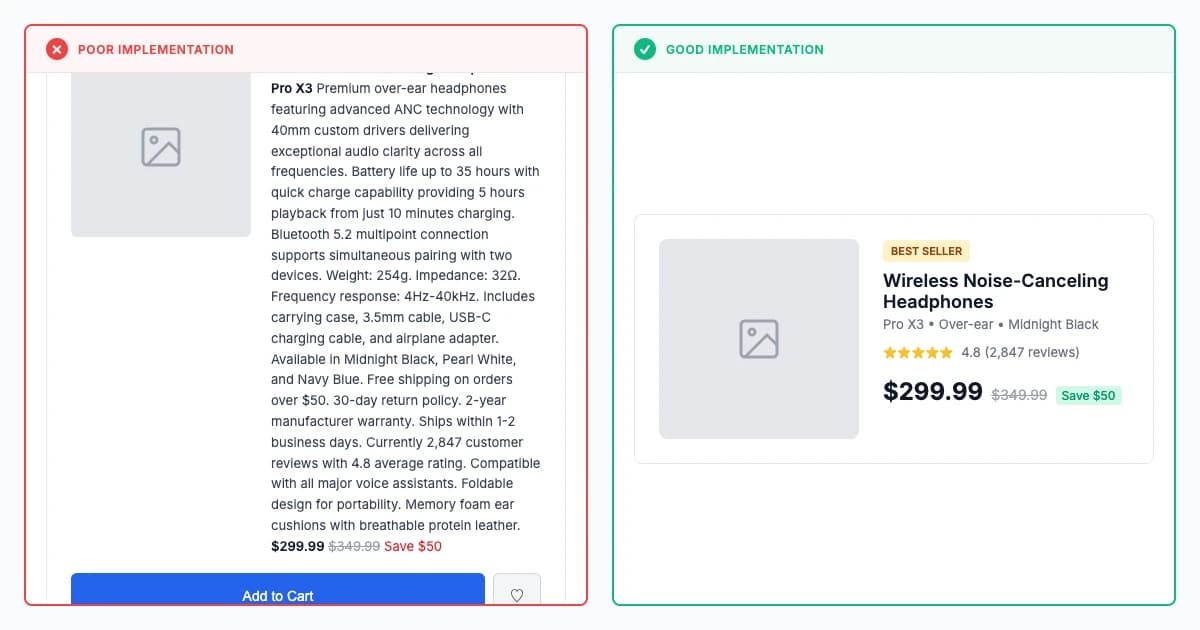
Hick's Law
Hick's Law (1952) demonstrates decision time increases logarithmically T = a + b log₂(n) with choice alternatives, showing 2 choices require 380ms, 4 choices 520ms, 8 choices 680ms, with each doubling adding constant 150-200ms increment through hierarchical brain processing.
Fixes:OverloadedClick Cemetery
Explore principle
Premium
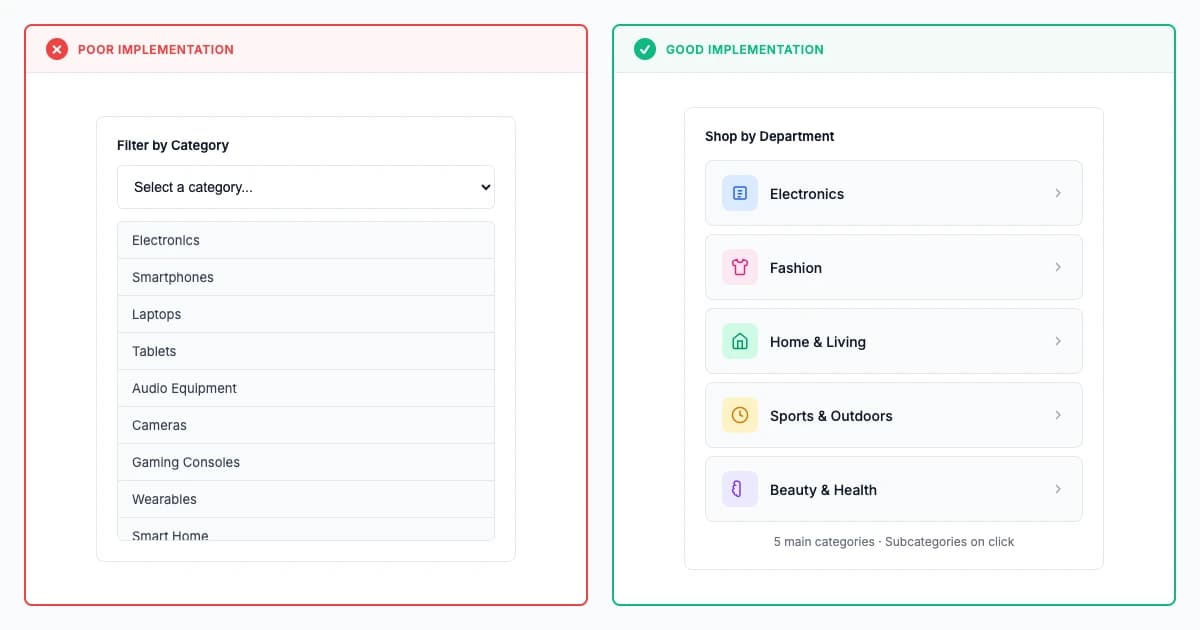
Chunking
Chunking organizes information into meaningful groups enabling users to remember 40 binary digits (Miller 1956) versus 7-9 individually, multiplying effective working memory capacity by restructuring content to align with 7±2 cognitive constraints rather than attempting to expand fundamental limits.
Fixes:Overloaded
Explore principle
Get Full Access
195 research-backed principles
$59/year
- All principles with citations
- AI prompts for every principle
- Real-world examples
14-day money-back guarantee
Premium
Miller's Law
Miller's Law: humans hold 7 chunks in working memory. Keep menus, forms, and options within this limit to cut cognitive load and boost task completion.
Fixes:Overloaded
Explore principle

Premium
Recognition Rather Than Recall
Recognition beats recall consistently with 85-95% accuracy versus 35-50% (Tulving 1973), requiring substantially less mental effort as interfaces providing visible cues outperform memory-dependent navigation by making options visible rather than requiring users to remember information.
Fixes:Form GraveyardMystery Nav
Explore principle
Premium
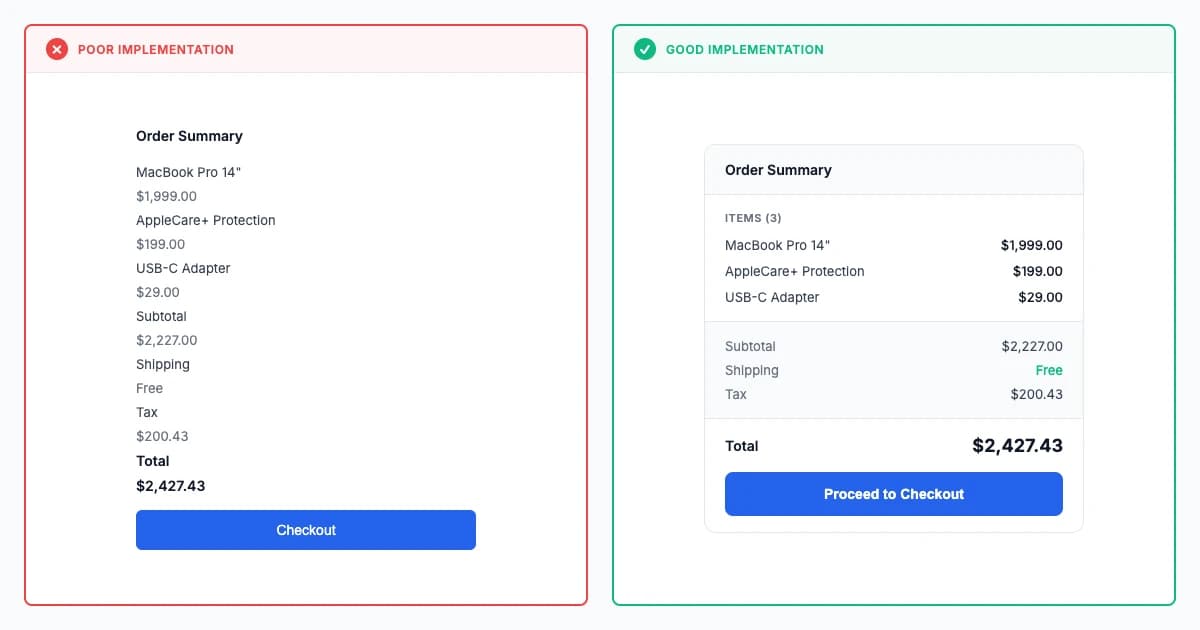
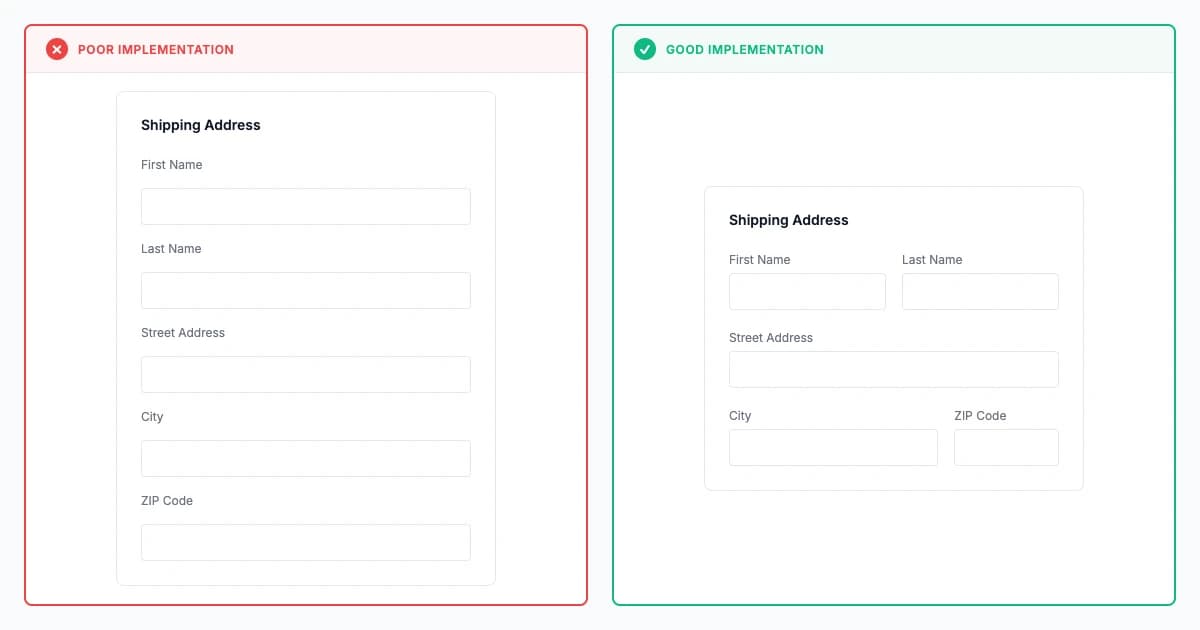
Common Region
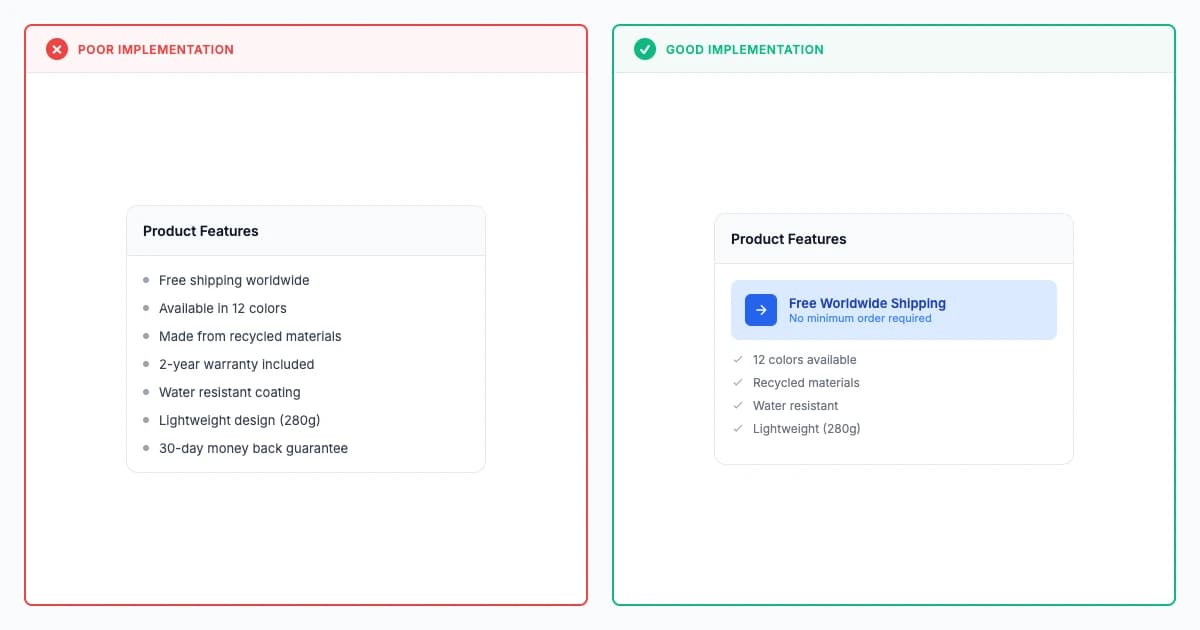
Common Region (Palmer 1992) demonstrates bounded areas create 34% stronger perceptual grouping than proximity alone, with elements sharing visual boundaries automatically perceived as related groups within 250ms through pre-attentive processing overriding spatial relationships.
Fixes:Inconsistent
Explore principle
Premium
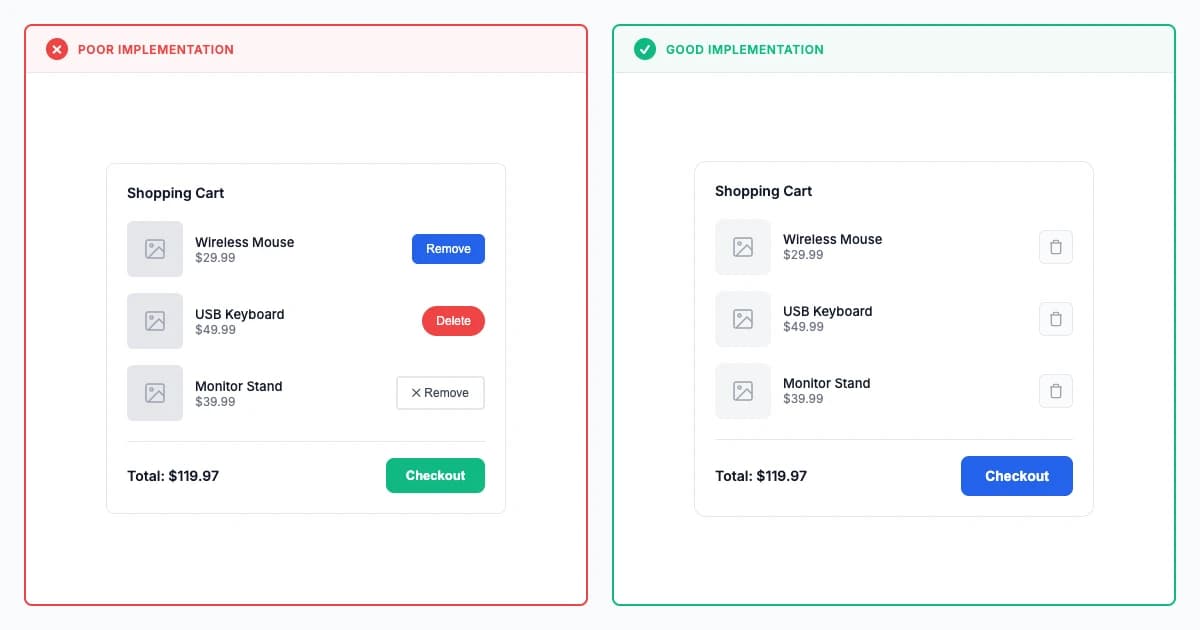
Proximity
Proximity (Wertheimer 1923) creates automatic grouping within 100-150ms, with Palmer's research (1992) finding elements within 40 pixels grouped 89% of the time while elements beyond 120 pixels separated 94%, making spatial distance the most reliable organizational tool for interfaces.
Fixes:Overloaded
Explore principle
Premium
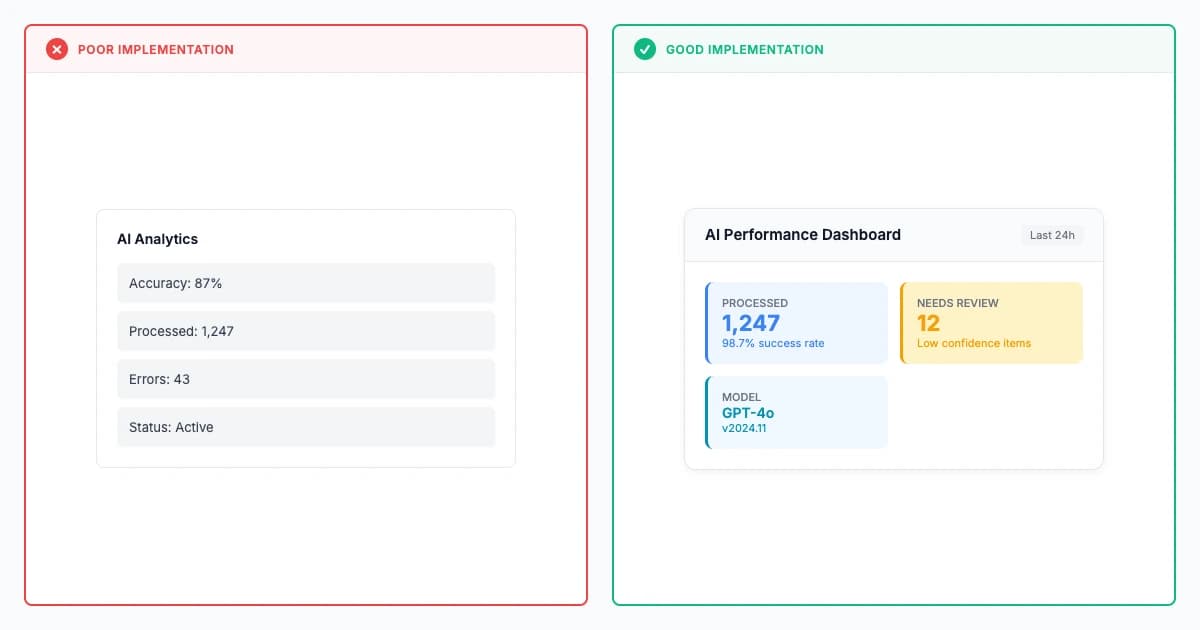
Similarity
Similarity (Wertheimer 1923) creates automatic grouping within 80-120ms through shared visual characteristics, with Palmer's research (1994) showing color similarity creates 78% grouping strength, shape 71%, size 64%, and combined dimensions reaching 92% perception through pre-attentive processing.
Fixes:Low Contrast
Explore principle
Premium
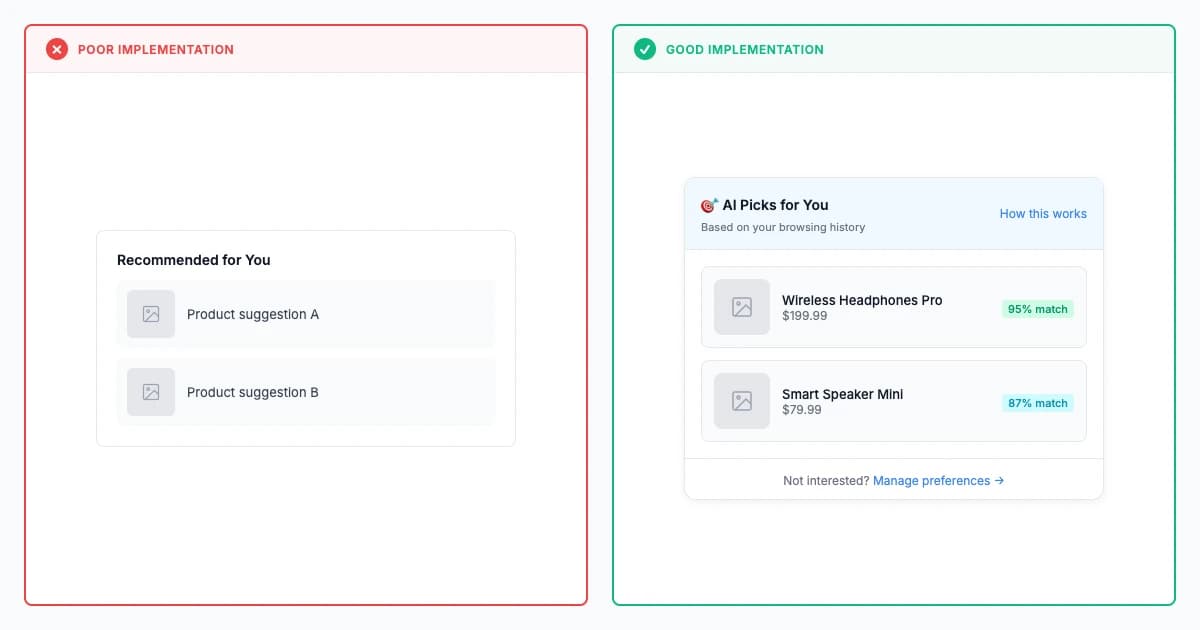
Cognitive Load Calibration in AI Interfaces
Users process AI-generated interfaces with 18% more scrutiny (Lin et al., 2023), requiring designs that reduce verification overhead through transparency, explainability, and trust calibration mechanisms. Algorithm aversion can reduce acceptance by 35% after a single AI error.
Fixes:Overloaded
Explore principle
Premium
Cognitive Anchoring Preservation
Adaptive interfaces must maintain at least 3 stable anchor elements to preserve spatial memory. Layout changes increase task time by 18% and errors by 12% (Shi et al., 2021). Fixed sidebars improve learning outcomes by 12%.
Fixes:Mystery NavInconsistent
Explore principle

Premium
Pareto Principle (80/20 Rule)
Pareto Principle (1896) demonstrates 80% of effects emerge from 20% of causes across domains, with Juran's quality management research (1951) confirming 80% of problems stem from 20% of defect causes and Microsoft discovering 20% of features receive 80% of usage, enabling systematic high-impact prioritization.
Explore principle
Premium
Serial Position Effect
Serial Position Effect shows users remember first (primacy) and last (recency) items 40-60% better than middle items, requiring strategic placement of critical navigation, CTAs, and content in optimal positions.
Fixes:Form Graveyard
Explore principle